
Scotch Broom Removal Work Parties
Become part of a community effort to eradicate invasive & noxious scotch broom on South Whidbey Island! Sponsored by Goosefoot Community Fund and the St. Hubert Church Green Team
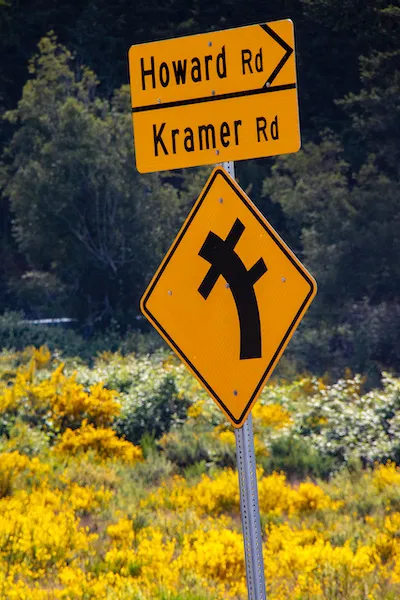
Sponsored in conjunction with Whidbey Earth & Ocean Month—and peak flowering season—we invite you to join us for one of the following events. All will take place in the vicinity of Bayview.
- Sunday, April 19 | 1-5 pm
- Wednesday, April 22 | 11 am-3 pm (Earth Day!)
- Saturday, April 25 | 10 am-2 pm
Learn a simpler way of “cutting broom in bloom” with others and apply what you’ve learned on your own property or assist a neighbor on theirs. There’s something for all abilities to help with and you probably have the necessary tools available in your garage or garden shed.

Project Sponsors

Why is Broom a Problem?
- Fire danger—very combustible.
- Spreads very quickly. Each plant has as many as 18,000 seeds.
- Seeds live more than 30 years.
- Broom plants crowd out native species.
- Often toxic to livestock, if eaten.
- Dense stands harm wildlife habitat.
- A tough allergy for many people.
- There’s more.
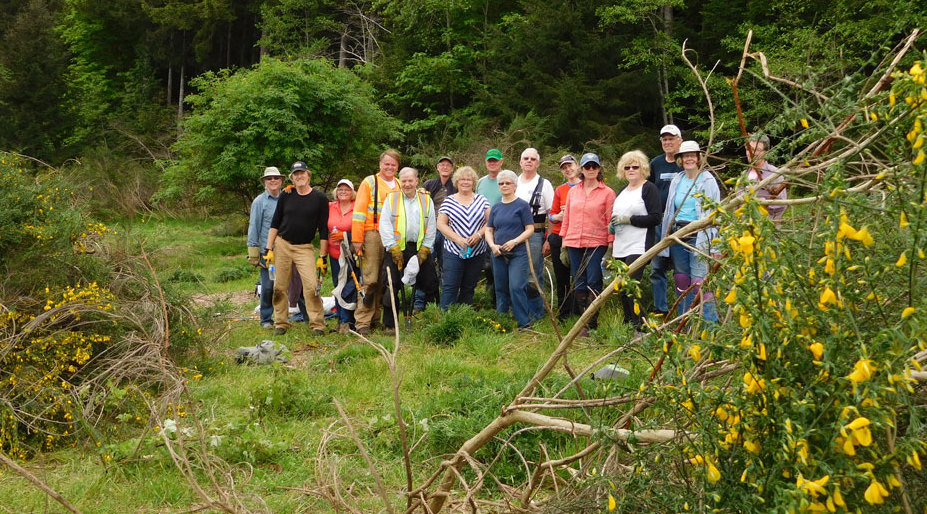
How Did Broom Come Here?
People first brought broom here in the 19th century as an ornamental plant. It was later used for erosion control. Much of the planting along roads and highways came from good intention for erosion control before we learned the full, negative impact of the plant in our area and climate. By then, the plants were well-established.
Today, the infestation of broom affects many areas in Washington and beyond. it is classified as a Class B Noxious Weed in our state. People have tried many things to get rid of the broom. It takes perseverance. Working with natural systems helps.
We can do it. We know how to do this.
Let’s face this together as a community.
Cut Broom in Bloom!
This slogan, from BroomBusters on Vancouver Island, BC, is the first key to eradicate broom.
- When blooming, the plant’s energy is toward making seeds.
- Cutting it at (or below) ground level, before seeds come, stops that plant from producing.
- We don’t disturb the soil and activate seeds already there. Fewer plants next year.
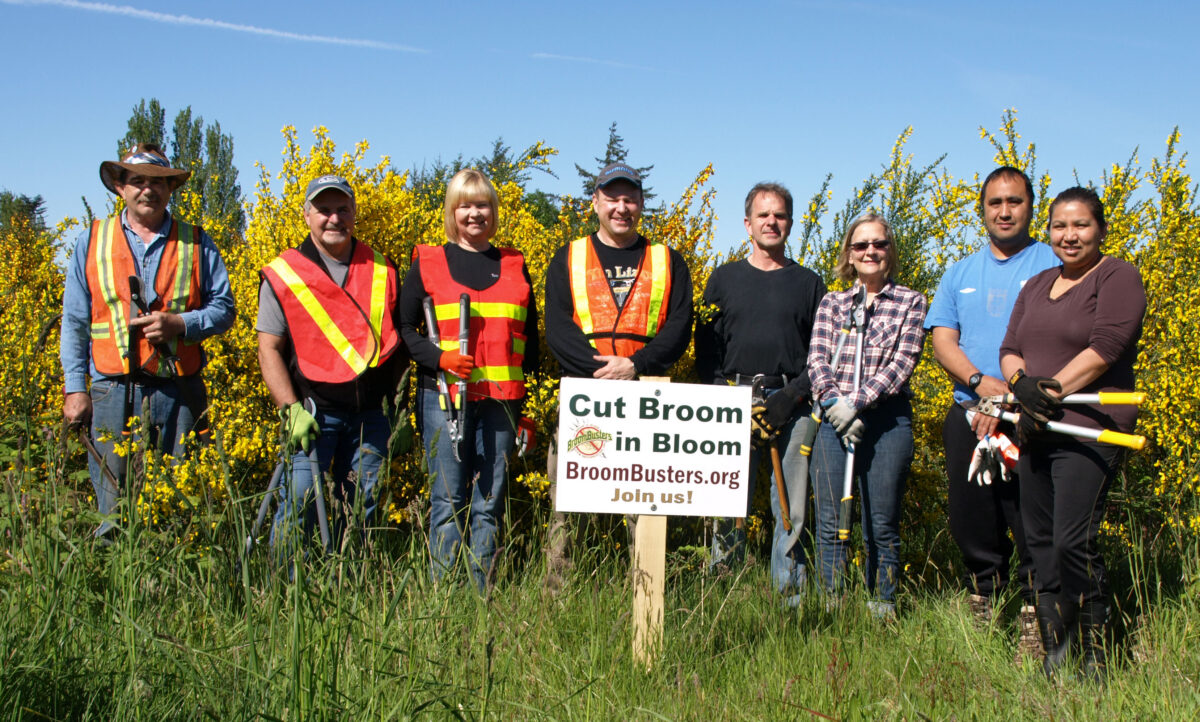
Simple tools are all we need:
- Loppers
- Hand clippers
- Small hand saws
Disposing of Cut Broom
Spread it out. Let it dry and then chip it or cut it in pieces. You can take it to the land fill bagged. But that’s not the best option.
We will have collection locations during our work party week. Henry Tree Service will come and chip it all.
Being Part of the Solution
1. Tackle broom plants at home.
Look for broom on your property and in your neighborhood. When the pretty yellow flowers come, take the plant out by cutting at or slightly below ground level.
2. Join us for work parties in April.
Come with loppers, gloves, eye protection, water, and enthusiasm to locations on Bayview Road, Coles Road, and along Highway 525 between them.
- Sunday, April 19: 1-5 pm
- Wednesday, April 22: 11 am-3 pm
- Saturday, April 25: 10 am-2 pm
